
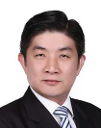
Dr. Chew obtained his medical qualification from NUS in 2002 and started working under SingHealth Pte Ltd since 2012. He was inspired to pursue a surgical career in head and neck cancer during his housemanship. He chose cancer reconstruction due to the challenges in this field for his surgical training. He pursued further training as a Microsurgery Fellow in Chang Gung Memorial Hospital where he learned advanced skills and gathered much experience in handling complex cases. Dr. Chew helped in the formation of the SingHealth-Duke-NUS Disease Centre (SDDC) for Head and Neck as well as the Liver Transplant SDDC. Dr. Chew emphasises training and education as the cornerstone in the improvement of clinical excellence. He takes a personal interest in residency teaching and is actively pursuing research in plastic surgery, wound healing, burns, reconstructive microsurgery and basic science in transplant immunology. Dr. Chew is a paid consultant for Solventum.

Dr. Tay Hsien Ts’ung is a consultant vascular surgeon at Singapore General Hospital, where he also serves as Director of the Clinical Innovation and Technology Unit. He earned his MBBS from University College London and completed initial training in Emergency Medicine in the United Kingdom before returning to Singapore to undertake general surgery training at Singapore General Hospital. He also holds an MSc in Bioinformatics from Nanyang Technological University. In addition to his clinical practice, Dr. Tay holds academic appointments as Assistant Professor with the Yong Loo Lin Medical School Clinical Skills Foundation Course and Duke-NUS Medical School. Additionally, he is a medical officer in the Singapore Civil Defense Force. Dr. Tay’s professional interests span vascular surgery, clinical innovation, medical technology, and bioinformatics. He was named a Singapore-Stanford Biodesign Fellow in 2012 and has received several awards, including the 3rd Young Researcher Prize at the 8th Endovascular Symposium of Vascular Biomaterials in France and the Service with a Heart Award in 2014. Dr. Tay is a paid consultant for Solventum.

Dr. Marcio Makoto Nishida is a physician trained in Physical Medicine and Rehabilitation, with a diverse career spanning clinical practice, public healthcare leadership, academic research, and Medical Affairs across Brazil and Japan. He held several leadership positions in the Brazilian public healthcare system, including serving as Municipal Health Secretary in 2011. In 2012, he moved to Japan as a recipient of the Japanese Government (MEXT) Scholarship for international students. He earned his Master’s degree in Exercise Physiology in 2015 and his PhD in Rehabilitation Science in 2020 from Kyoto University. From 2018 to 2020, Dr. Nishida was appointed as a Research Fellow at the National Center for Geriatrics and Gerontology in Japan, where his work focused on sarcopenia, frailty, and the identification of predictive risk factors through longitudinal cohort studies in elderly populations. In 2020, he transitioned to the pharmaceutical industry, initially joining CMIC Holdings (CRO) as a Medical Advisor supporting Clinical Trials. He later engaged as a Clinical Specialist at Allergan Aesthetics / AbbVie from 2021 to 2024, providing clinical training to early-career HCPs. Since July 2024, Dr. Nishida has been serving as a Medical Liaison at Solventum Japan, where he leads scientific engagement and supports evidence-based medical discussions with key opinion leaders across Japan and the APAC region. His current focus is on the Advanced Wound Care therapeutic area, where he acts as a subject matter expert in Negative Pressure Wound Therapy (NPWT) and Solventum’s advanced skin care portfolio.
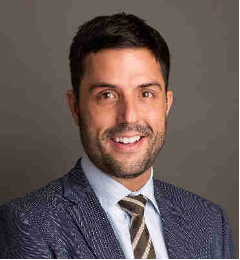
Dr. Edin Nuhiji is an award-winning Medical Affairs leader and multidisciplinary scientist specializing in fluorescence image-guided surgery, biomaterials, and biosensing. He completed his PhD at the University of Melbourne, developing a novel optical wave-based technology for real-time detection of unlabeled biomolecular targets, subsequently licensed for commercial application. Following a postdoctoral fellowship in Biomaterials at Deakin University, Dr. Nuhiji transitioned into the medical device industry, where he has accumulated over 15 years of international experience across Australia, Europe, and Asia-Pacific. He is widely regarded as a culture-defining leader, known for his ability to translate complex scientific evidence into clinically meaningful insights that inform practice in advanced wound care and surgical innovation. He has authored multiple peer-reviewed publications and delivered more than 500 invited presentations at international congresses and medical education forums. He currently leads the Asia Medical Liaison Team and serves as the APAC Medical Liaison lead for NPWT at Solventum.
Yik_Ts'ung_Nishida_Nuhiji_Current-Dialogues-in-Wound-Management_2026_Article-6
A meeting of the Asia Limb Salvage Forum was held on July 25, 2025, in Singapore to discuss current strategies for managing diabetic foot ulcers (DFUs). Attendees included a diverse mix of vascular surgeons, plastic surgeons, orthopedic surgeons, wound care specialists, and allied healthcare professionals from Asia, including Japan (n=4), Malaysia (n=3), Singapore (n=3), Thailand (n=3), Australia (n=2), and Vietnam (n=2).
Patient evaluation, wound assessment, and available treatment options for DFUs were discussed. Attendees were divided into two groups to discuss DFU management strategies, and each group then presented its findings. This summary of the 2025 Asia Limb Salvage Forum outlines the DFU management strategies highlighted by the attendees.
Patient Evaluation
A thorough patient assessment is important when evaluating patients with DFUs. Meeting attendees suggested that a nutritional assessment, medication use review, functional status assessment, medical history review, demographic and socio-economic history, and a physical assessment be included in the patient evaluation.
For nutritional assessment, meeting attendees suggested using biochemical markers such as protein and albumin levels. If malnutrition and/or vitamin deficiency are present, the clinician should address these deficiencies within the patient’s treatment plan and consider including a registered dietitian as part of the patient’s multidisciplinary care team.
Use of hydroxyurea, statins, and aspirin should be noted during patient evaluation, as these medications may alter the available DFU treatment options. Similarly, some patients may use traditional medicines alongside prescription medications, which may also affect treatment options. As such, the use of traditional medicine should be also included in the medication review.
A complete medical history should be obtained during patient assessment using a systematic approach to gather information on comorbidities, past surgeries, and previous wound-healing complications. Asia Limb Salvage Forum attendees stressed the importance of monitoring and recording diabetes-related complications, such as vision loss, hypertension, renal or vascular disease, and reduced estimated glomerular filtration rate (eGFR), during patient evaluation to obtain a complete picture of patient health.
An important component of patient evaluation is the physical examination of key systems. Assessment of vascular status, pulses, capillary refill, neuropathy, gait analysis, skin condition, alignment, contracture, and stability should be performed during the patient evaluation to identify physical characteristics that may affect wound care treatment options. Identifying patient conditions that could impair wound response to treatment, such as venous insufficiency and lymphedema, were also noted as essential during the patient assessment.
A functional independence in basic Activities of Daily Living assessment tools can help streamline the patient evaluation process. Members of the Asia Limb Salvage Forum noted that the Barthel index, a 100-point questionnaire performed by physiotherapists to assess activities of daily living,1 along with clinical evaluation of a patient’s functional status, can help provide a more comprehensive patient assessment. However, a multidisciplinary team may be needed to administer the questionnaire to make it feasible for use in day-to-day practice.
Meeting attendees also suggested including patient occupation, potential financial constraints, psychological status, family support, and social history within the patient evaluation to identify factors that may affect the patient’s ability to follow the treatment plan.
Wound Assessment Parameters
Use of a wound classification system is essential when performing wound assessment. Two commonly used classification systems, the Wound, Ischemia, and foot infection (WIfI) Classification System and the Wagner system, are available.2,3 The WIfI classification system was noted to be more comprehensive because it includes vascularity and infection, although the Wagner classification system is still widely used. The presence of infection and ischemia is important to note during wound assessment, as either factor changes the wound care plan. When infection is present, treatment according to institutional protocols is required. For patients with ischemia, procedures to manage and resolve the ischemia are often performed before the use of advanced wound care modalities.
Infection evaluation includes differentiating bacterial colonization from clinical infection, using appropriate tissue sampling techniques, and assessing wound depth and tissue involvement. Ischemia assessment involves evaluating limb pulses, including ankle-brachial index and toe-brachial index, skin perfusion, capillary refill, and the therapeutic prognostic index, a scoring system used to assess amputation risk in patients with complex, non-healing wounds. These data can help identify potential barriers to healing that should be addressed before implementing wound care methods.
Essential wound evaluation parameters include the wound dimensions (size, depth, surface area), wound location (forefoot, midfoot, hindfoot, or over bony prominences), tissue exposure and probe to bone test. Periwound status (maceration, cellulitis, etc.), loss of sensation, underlying deformity (Charcot deformity) are also critical components of the wound assessment. Results from the wound evaluation can help clinicians tailor the available wound treatment options to the needs of the patients and the wounds.
Treatment Parameters
The role of the multidisciplinary team
A multidisciplinary team is essential for the management of DFUs. A team comprising of specialists from endocrinology, nursing, podiatry, vascular surgery, plastic surgery, and orthopedics, when available, can help manage comorbidities and remove barriers to wound healing.4-7 As the number of patients requiring wound care has increased globally, many hospital systems now have dedicated wound care teams that are a valuable addition to the multidisciplinary approach. However, attendees noted that empowering advanced practice nurses and wound care nurses in the management of chronic wounds would help strengthen the multidisciplinary team. Additionally, clear specialist referral criteria could help streamline patient care.
Treatment strategies
Though there are regional differences within the Asia Limb Salvage Forum participating countries, attendees agreed that a comprehensive treatment plan requires both systemic management and local wound care, coordinated effectively by a multidisciplinary team.
Non-surgical treatment methods
Non-surgical DFU treatment methods include correcting immunocompromised status, addressing malnutrition and vitamin deficiencies, management of blood sugar including hemoglobin A1c levels, optimizing cardiac fitness, offloading the wound site with appropriate footwear, nursing care, physiotherapy, periwound skin care, patient education, edema control, and occupational modifications, if needed. Meeting attendees also included infection control according to institutional protocols among non-surgical treatment methods. This may include use of systemic and/or topical antibiotics and antimicrobial dressings, along with serial wound assessments and blood work to evaluate changes in clinical markers of infection.
Surgical treatment methods
Surgical treatment methods for DFUs include debridement, revascularization (open or endovascular procedures), when needed, and soft tissue coverage.8 Debridement should be used to remove infected or necrotic tissue, including tendons, with reconstruction being a secondary concern. In patients with impaired vascular function, advanced procedures such as ultradistal bypass, reliance on collateral circulation in total vascular occlusion, and novel techniques such as transverse bone transport, in which the fibula is moved 1 millimeter per day to stimulate angiogenesis, may be considered. For soft tissue coverage, flaps, skin grafts, xenografts, and synthetic matrices may be used. If reconstruction uses skin flaps, meeting attendees noted that the ideal flap should have a texture similar to that of the defect area and retain sensory function once fully healed.
For some patients with DFU, surgical correction of foot deformities and extensive debridement may be required. The goal is to return the foot to normal alignment to assist with offloading pressure points after surgery. Attendees noted the use of external fixators such as the Ilizarov system, along with standing X-rays and weight-bearing CT scans, to help stabilize and monitor postoperative healing.
In critical limb-threatening ischemia, an advanced stage of peripheral artery disease, blood flow to the limb is severely restricted. Similarly, desert foot is a severe form of advanced peripheral artery disease in which all major foot arteries are blocked, increasing the risk of amputation.9 Desert foot is common in advanced diabetic foot disease or end-stage peripheral arterial disease. In patients with desert foot, traditional revascularization is not feasible because there is no distal target for bypass or angioplasty. Deep venous arterialization (DVA), a highly specialized endovascular technique, may offer the potential for limb salvage in patients with chronic limb-threatening ischemia and desert foot.10,11 DVA redirects arterial blood into the venous system to perfuse the ischemic foot by converting a deep vein into a conduit for arterial inflow to perfuse capillary beds. DVA is useful in highly selected patients, typically those 60 to 70 years of age with good cardiac function. Patients with compromised heart function may experience complications such as cardiac overload. Patients who have received DVA should be carefully monitored for infection. Challenges associated with DVA include significant swelling, venous congestion, and pain. Although DVA is promising in selected patients, meeting attendees noted that further experience and clinical evidence regarding its use are needed.
Dressings and advanced wound care
DFUs can be managed with a variety of wound care modalities, including wound dressings.12 Meeting attendees noted that the choice of dressing should be matched to the needs of the patient and the wound. For example, a wound with a high amount of exudate should be managed with a superabsorbent dressing, whereas wounds with bacterial colonization should receive an antimicrobial dressing.
Advanced wound care options for DFU management include Solventum™ V.A.C.® Therapy and Solventum™ Veraflo™ Therapy. V.A.C.® Therapy provides negative pressure to the wound bed and draws the wound edges together, removes infectious materials, and promotes the development of granulation tissue.13 Veraflo Therapy is an evolution of V.A.C.® Therapy that includes a wound cleansing cycle where instillation fluid remains in the wound bed to help solubilize thick exudate, debris, and devitalized tissue that is removed during the negative pressure cycle.14 Both advanced wound therapies come with a variety of dressing options to allow for dressing selection that can be tailored to the needs of the patient and wound bed. Attendees noted that the negative pressure used can be changed at the discretion of the clinician. While -125 mmHg is most commonly used, higher or lower negative pressure can be selected based on wound and patient status.
For Veraflo Therapy, hypochlorite-based solutions, silver nitrate (0.5%), biguanides (polyhexanide), cationic solutions, isotonic solutions, and acetic acid can be used.15 The instillation solution used with Veraflo Therapy should be tailored to the patient and the wound, with antiseptic solution use being reserved for wounds with bacterial colonization. Instillation fluid dwell time is also variable and depends on the instillation fluid, wound size, and patient mobility.
Technology advances in DFU management
Technological advances and the emergence of artificial intelligence may help streamline and improve patient and wound assessment. Virtual reality glasses and telehealth can be used to support wound care follow-up in rural and remote areas. Technological advances in biometric skin evaluation, including temperature measurement, elastometry, tensiometry, and hydrometry for exudate quantification, were mentioned by meeting attendees as having the potential to streamline clinical assessments. Use of a blue light device to detect biofilm and identify specific pathogens was also noted as promising. Asia Limb Salvage Forum attendees also highlighted the potential of artificial intelligence and machine learning to simplify patient and wound assessment data collection, analysis, and ultimately improve patient outcomes.
Conclusion
The rising burden of diabetic foot ulcers underscores the need for structured, multidisciplinary, and individualized care. Insights from the 2025 Asia Limb Salvage Forum emphasized that a comprehensive patient evaluation and detailed wound assessment are essential for identifying barriers to healing and guiding treatment selection. Participants highlighted that both non-surgical and surgical interventions should be tailored to wound characteristics, vascular status, infection burden, and patient-specific needs. Emerging technologies and artificial intelligence may further support patient and wound assessment, care coordination, and earlier intervention, with the potential to improve healing outcomes and limb preservation.
Acknowledgements
The authors thank Dr. A Kodama, Dr. M Fujii, Dr. S Okuda, Dr. Y Terabe, Dr. IB Ishmail, Dr. N Govindarajanthran, Dr. NAAB Abdullah, Dr. LP Shi, Dr. J Apinum, Ms J Wongviseskam, Dr. T Wangrattanapranee, Dr. MF Ahmad, Mr. F Guerriero, Dr. T Hoang, Dr. A Nather, and Dr. N Phan for their active participation and for sharing their clinical expertise and experience during the discussion. Their contributions provided valuable insights into current practices and challenges in limb salvage care and supported this initiative for the advancement of collaborative approaches to improve patient outcomes.
References
- Mahoney FI, Barthel DW. Functional Evaluation: The Barthel Index. Md State Med J 1965;14:61-5.
- Mills JL, Sr. Update and validation of the Society for Vascular Surgery wound, ischemia, and foot infection threatened limb classification system. Semin Vasc Surg 2014;27(1):16-22. doi:10.1053/j.semvascsurg.2014.12.002
- Wagner FW, Jr. The dysvascular foot: a system for diagnosis and treatment. Foot Ankle 1981;2(2):64-122. doi:10.1177/107110078100200202
- Schubert S, Marzloff G, Ryder S, Ott K, Hutton J, Becker M. Establishing a Comprehensive Wound Care Team and Program. Phys Med Rehabil Clin N Am 2022;33(4):805-810. doi:10.1016/j.pmr.2022.06.006
- Thng CB, Wong KL, Wong AW, et al. Early results of an orthoplastic multidisciplinary approach to diabetic foot ulcer soft tissue reconstruction. J Wound Care 2024;33(12):926-932. doi:10.12968/jowc.2023.0008
- Meloni M, Giurato L, Monge L, et al. Effect of a multidisciplinary team approach in patients with diabetic foot ulcers on major adverse limb events (MALEs): systematic review and meta-analysis for the development of the Italian guidelines for the treatment of diabetic foot syndrome. Acta Diabetol 2024;61(5):543-553. doi:10.1007/s00592-024-02246-9
- Vuorlaakso M, Karen V, Kiiski J, Lahtela J, Kaartinen I. Multidisciplinary management of diabetic foot infection associated with improved 8-year overall survival. J Diabetes Complications 2024;38(5):108719. doi:10.1016/j.jdiacomp.2024.108719
- Kim J, Nomkhondorj O, An CY, Choi YC, Cho J. Management of diabetic foot ulcers: a narrative review. J Yeungnam Med Sci 2023;40(4):335-342. doi:10.12701/jyms.2023.00682
- Kim TI, Vartanian SS, Schneider PA. A Review and Proposed Classification System for the No-Option Patient With Chronic Limb-Threatening Ischemia. J Endovasc Ther 2021;28(2):183-193. doi:10.1177/1526602820963911
- Grewal S, Haider S, Madassery S. DVA: Updated Evidence, Techniques, and Management Post-Intervention. Tech Vasc Interv Radiol 2026;29(1):101105. doi:10.1016/j.tvir.2026.101105
- Spiliopoulos S, Davoutis E, Arkoudis NA, Sritharan K, Lechareas S. Percutaneous Deep Venous Arterialization for Limb Salvage in No Option Patients with Chronic Limb-Threatening Ischemia. J Clin Med 2023;12(23)doi:10.3390/jcm12237324
- Lavery LA, Suludere MA, Attinger CE, et al. WHS (Wound Healing Society) guidelines update: Diabetic foot ulcer treatment guidelines. Wound Repair Regen 2024;32(1):34-46. doi:10.1111/wrr.13133
- Normandin S, Safran T, Winocour S, et al. Negative Pressure Wound Therapy: Mechanism of Action and Clinical Applications. Semin Plast Surg 2021;35(3):164-170. doi:10.1055/s-0041-1731792
- Silverman RP. Negative Pressure Wound Therapy With Instillation and Dwell Time: Mechanisms of Action Literature Review. Eplasty 2023;23:e54.
- Kim PJ, Attinger CE, Constantine T, et al. Negative pressure wound therapy with instillation: International consensus guidelines update. Int Wound J 2020;17(1):174-186. doi:10.1111/iwj.13254